
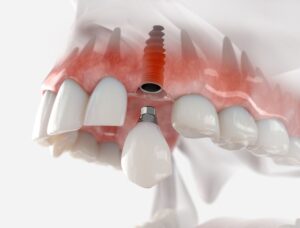
Dental implants are widely celebrated for their durability, strength, and ability to mimic the function and appearance of natural teeth. When you receive a dental implant, you likely expect it to function comfortably and seamlessly. For this reason, it can be surprising and concerning if you begin to notice sensitivity or discomfort near your dental implant. What can cause this symptom, and what should you do to address it? Continue reading to find out.
Why Might a Dental Implant Feel Sensitive?
Natural teeth contain inner layers and nerves that respond to outside stimuli, which is why you might feel pain or sensitivity when you consume something hot, cold, or sweet. Dental implants, in contrast, are made of biocompatible materials, such as titanium, and are surgically placed into the jawbone. Because these implants lack nerves, it is impossible to experience true sensitivity in the implant itself.
If you do notice sensitivity in the area of your dental implant, it is likely that the discomfort is coming from the surrounding tissues. This could include your gums, your jawbone, or a natural tooth located near the implant site. However, it might feel as if the issue is stemming directly from the implant.
Common Causes of Sensitivity Near Dental Implants
There are a number of issues that might lead to dental implant sensitivity, including:
- Infection: Bacterial infection in the gum tissue surrounding your dental implant can lead to inflammation, pain, and sensitivity.
- Cavities or Damage in Adjacent Teeth: If a natural tooth next to your implant develops a cavity or sustains other damage, it can be easy to mistake the source of pain as your implant.
- Food Impaction: Food particles or debris can become lodged between your dental implant and an adjacent tooth. This can place pressure on your gum tissue and result in sensitivity.
- Nerve Damage: In rare cases, improper placement of the dental implant may affect nerves in the jawbone. This can cause pain or sensitivity in the area.
What Steps Should You Take?
If you experience new or worsening sensitivity around your dental implant, you should schedule an appointment with your dentist as soon as possible. Prompt evaluation is important because, in some cases, sensitivity may signal a complication that could threaten the stability of your implant. The earlier you seek professional care, the more likely it is that your dentist can address the issue with conservative treatments and avoid total implant failure.
During your visit, your dentist will conduct a thorough examination, which may include asking about your symptoms and taking X-rays. Based on this assessment, your dentist will recommend appropriate next steps. Treatment could be as simple as prescribing antibiotics for an infection or placing a filling in a neighboring tooth. In rare circumstances, removal of the implant might be necessary, followed by a period of healing before the placement of a new implant becomes possible.
Sensitivity near a dental implant should be taken seriously! Talk to your dentist right away if you experience this symptom.
Meet the Practice
At Four Town Dental in Enfield, our skilled team is pleased to provide comprehensive oral health services, including dental implant placement and maintenance. If you have concerns about your prosthetic teeth or the surrounding tissue, do not hesitate to reach out to us at 860-856-6928.